

Last Updated: November 15, 2026
Quick Summary
A Chemex is worth the extra effort if you enjoy a clean, bright cup and have a few spare minutes on weekends. Its thick paper filter removes much of the oil and fine sediment a drip machine leaves behind, though the chemex worth depends on how much time you have each morning. Single drinkers on tight weekdays may prefer a simpler method.
- Brewing takes four to five minutes of active attention, while a drip machine runs unattended.
- The Chemex carafe makes several cups in one session, suiting households of two or more.
- The thick filter yields a lighter, cleaner body than standard drip coffee.
- Sour-tasting Chemex coffee usually signals under-extraction from a coarse grind or short brew.
Table of Contents
- What the Chemex Asks of You Each Morning
- Cup Quality: Clarity, Body and Why Chemex Coffee Can Taste Sour
- Chemex Filter vs Paper Filters: What Thickness Does to Your Cup
- Chemex vs V60 and Standard Drip: A Side-by-Side Comparison
- Chemex Brewing Technique: Where Consistency Is Won or Lost
- Cleanup, Maintenance and the Real Cost of Ownership
- Who Should Buy a Chemex and Which Beans Suit It
- Frequently Asked Questions
Is a Chemex worth the extra effort? For most home coffee drinkers, the answer depends on how much time you have each morning and how much you care about a clean, bright cup. The brewing method you choose is one of the variables that shapes what ends up in your mug. A Chemex asks more of you than a standard drip machine, but it rewards that effort with a notably clear cup.
The Chemex is a glass pour-over brewer with a thick paper filter, and it is a long-established brewing design. Its appeal is simple: you control water temperature, pour rate and timing, and the thick filter removes much of the oil and fine sediment that a drip machine leaves behind. Whether that difference is worth the work is the question this article answers.
What the Chemex Asks of You Each Morning
A Chemex morning starts before the kettle boils. You need a burr grinder, a scale if you want repeatable results, a gooseneck kettle, and the brewer itself. Most people grind medium-coarse, rinse the filter to remove paper taste, and then pour in a bloom of hot water before finishing the brew in slow, controlled pours.
The whole process usually takes four to five minutes of active attention. A drip machine runs unattended while you get dressed. That gap is the real trade-off, and it matters more on weekdays than on weekends.
Cup Quality: Clarity, Body and Why Chemex Coffee Can Taste Sour
The Chemex is known for producing a clean, tea-like body with bright, distinct flavors. Single-origin coffees such as our Costa Rica, with sweet apple, raisin and honey notes, can show that clarity well.
Clarity can also expose mistakes. If your Chemex cup tastes sour, the usual cause is under-extraction: the grind is too coarse, the brew is too short, or the water is too cool. Learn why home brewed coffee tastes sour and how to fix it. Try a finer grind and a slightly longer total brew time before you blame the beans.
Chemex Filter vs Paper Filters: What Thickness Does to Your Cup
The Chemex uses a bonded paper filter that is much thicker than the paper in a standard drip basket. That thickness slows the drawdown and traps coffee oils and fine particles, which is why the cup feels lighter and cleaner.
The trade-off is body. Some people find thick-filter coffee too thin, while others prefer that clarity. Rinsing the filter before brewing removes the papery taste, and a standard drip filter gives you a heavier, more oily cup if that is what you want.
Chemex vs V60 and Standard Drip: A Side-by-Side Comparison
The comparison that matters is not which brewer makes the best cup in absolute terms, but which one fits the way you actually brew on a given morning. If you are still weighing the options, compare pour-over methods and standard drip brewing before you commit. The table below compares the three methods on the variables that decide that question.
| Method | Active Time | Batch Size | Cleanup | Cup Profile | Best For |
|---|---|---|---|---|---|
| Chemex | 4-5 minutes | Large, multi-cup carafe | Under 1 minute: lift filter, rinse carafe | Clean, bright, light body | Weekend brewing, households of two or more, flavor exploration |
| V60 | 3-4 minutes | Single cup to small batch | Under 1 minute: rinse cone and discard filter | Clean, somewhat fuller than Chemex | One-cup brewers who want speed and control |
| Standard drip | Under 1 minute | Full carafe, set and forget | Discard filter and grounds, wash carafe | Heavier, fuller body | Busy weekday mornings, convenience-first drinkers |
Brew time. The Chemex and the V60 both demand active attention from bloom through final pour. The difference is batch size: the Chemex carafe is built to brew several cups in one session, so the same four to five minutes of attention yields more coffee. The V60 is faster per cup but rewards the same hands-on technique.
Cleanup. All three are quick, but the Chemex and V60 are quicker because the filter and grounds leave together. A drip machine adds a carafe wash and periodic descaling to the routine.
Cup profile. The thick Chemex filter produces the lightest, cleanest body of the three. The V60's thinner paper lets a bit more oil through, so the cup reads slightly fuller. Standard drip leaves the most oil and sediment, which is why it tastes heavier and rounder.
Daily-use fit. This is where the choice usually gets decided. A single drinker on a tight weekday schedule is best served by a drip machine or a V60, because the Chemex batch size is more coffee than one person drinks before it cools. A household of two or more, or a drinker who brews on weekends and wants to taste the difference between beans, gets more from the Chemex's larger batch and cleaner cup.
Workflow and accessibility. The Chemex asks for a gooseneck kettle, a scale, and steady pouring, and the glass carafe needs careful handling. The V60 asks for the same pouring control in a smaller, less fragile package. A drip machine asks for none of it. If attention, dexterity, or counter space is limited, that gap matters more than the cup difference.
Temperature and serving. The Chemex carafe is uninsulated glass, so coffee cools faster than it would in a thermal drip carafe. Pouring into a pre-warmed mug slows the drop and keeps the cup closer to brewing temperature. The V60 brews directly into a mug, so the coffee is served immediately and loses less heat before the first sip.
The short version: choose the Chemex for batch size and the cleanest cup, the V60 for one-cup speed with control, and standard drip for unattended convenience. If you want to explore what the Chemex can do, start with a single-origin bean and a consistent grind, and let the comparison above tell you whether the extra effort fits your morning.
Chemex Brewing Technique: Where Consistency Is Won or Lost
Consistency is the hard part. Small changes in grind size, pour speed or water temperature shift the result noticeably. A digital scale and a timer help you repeat a recipe. Once you find a brew you like, write it down and hold the variables steady.
Our 8 steps to brewing the perfect cup of coffee walk through the full routine if you want a starting recipe. Expect a few weeks of trial and error before results feel reliable.
Cleanup, Maintenance and the Real Cost of Ownership
Cleanup is the easiest part of the Chemex routine. Lift out the filter with the grounds still in it, drop both in the trash or compost, and rinse the glass carafe with warm water. There is no basket to scrub and no reservoir to descale.
Two maintenance habits protect the brewer. First, skip harsh detergents on the wooden collar and the glass; warm water and a soft brush handle everyday residue, and a periodic soak with a coffee-specific cleaning powder keeps the carafe clear of oil film. Second, dry the wooden collar promptly and keep it away from standing water, because prolonged soaking warps the wood and loosens the tie. Watch out: putting a hot carafe straight into cold water can crack the glass, so let it cool first.
The real cost of ownership breaks into three lines, and it is worth pricing each one before you buy.
- The brewer itself. A Chemex is a one-time purchase, and the glass carafe is the durable part of the system.
- Filters. Every brew uses one bonded paper filter, and that is the only recurring consumable. Filter cost per cup is low, but it never goes away, and thick Chemex filters cost more per filter than standard drip basket filters. Over a year of daily brewing, the filter line is the largest ongoing expense, and it scales directly with how often you brew.
- Breakage. The glass carafe is the weak point. A knocked carafe, a thermal shock, or a drop while washing means replacing the brewer, not just a part. Households with young children, crowded counters, or a habit of rinsing in a hurry should treat breakage as a real line item rather than a rare accident.
Compared with a standard drip machine, the Chemex trades a higher upfront brewer cost and a slightly higher per-brew filter cost for zero electricity use during brewing and no descaling. Compared with a reusable-metal pour-over cone, the Chemex costs more per cup because the paper filters are consumable, but it delivers the cleaner cup that the thick filter is designed to produce. The honest framing is that the Chemex is not expensive to own, but it is not free to own either, and the filter line is the number that grows with your habit.
If you want to keep the cost per cup down, buy filters in larger packs, brew the full batch size the carafe is rated for rather than a partial batch, and store the brewer where it cannot be knocked off the counter. Those three habits address the filter and breakage lines that dominate the total.
Who Should Buy a Chemex and Which Beans Suit It
A Chemex suits someone who enjoys the ritual, has time on weekends, and wants to taste the difference between coffees. Our Bali Blue, a med-dark organic coffee with dark chocolate and molasses notes, is a forgiving choice for beginners. You can find more beginner-friendly single origin beans suited to manual brewing. The Brazil Santos, a medium roast with cocoa notes, is smooth and approachable.
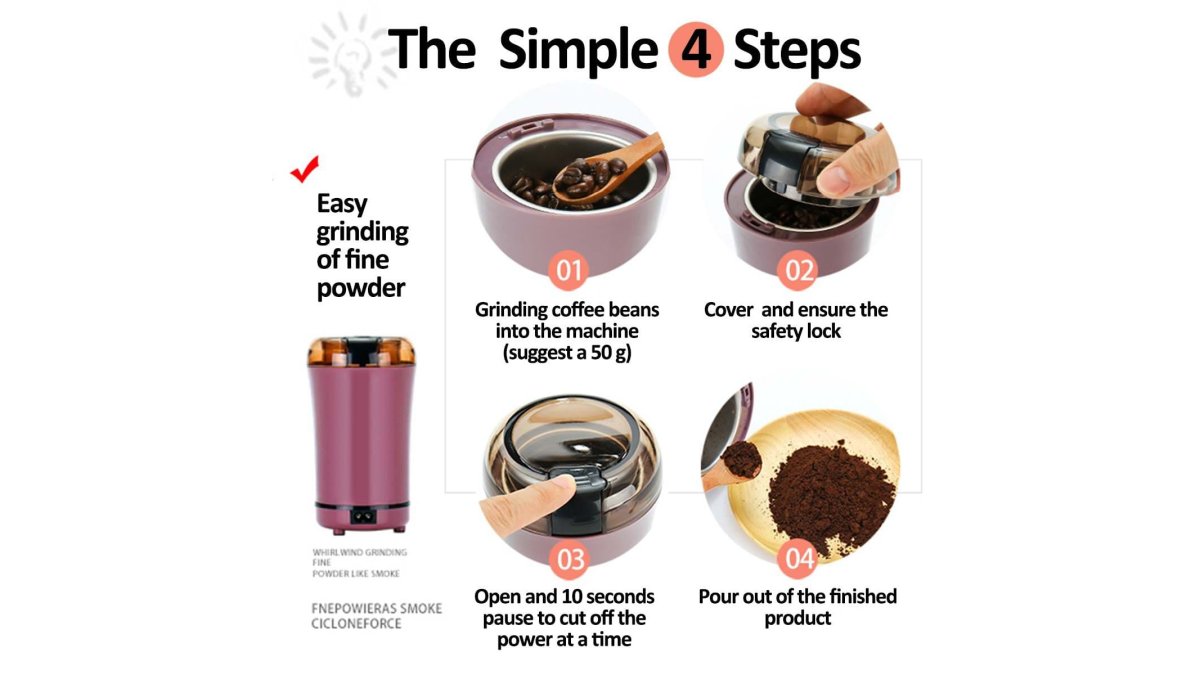
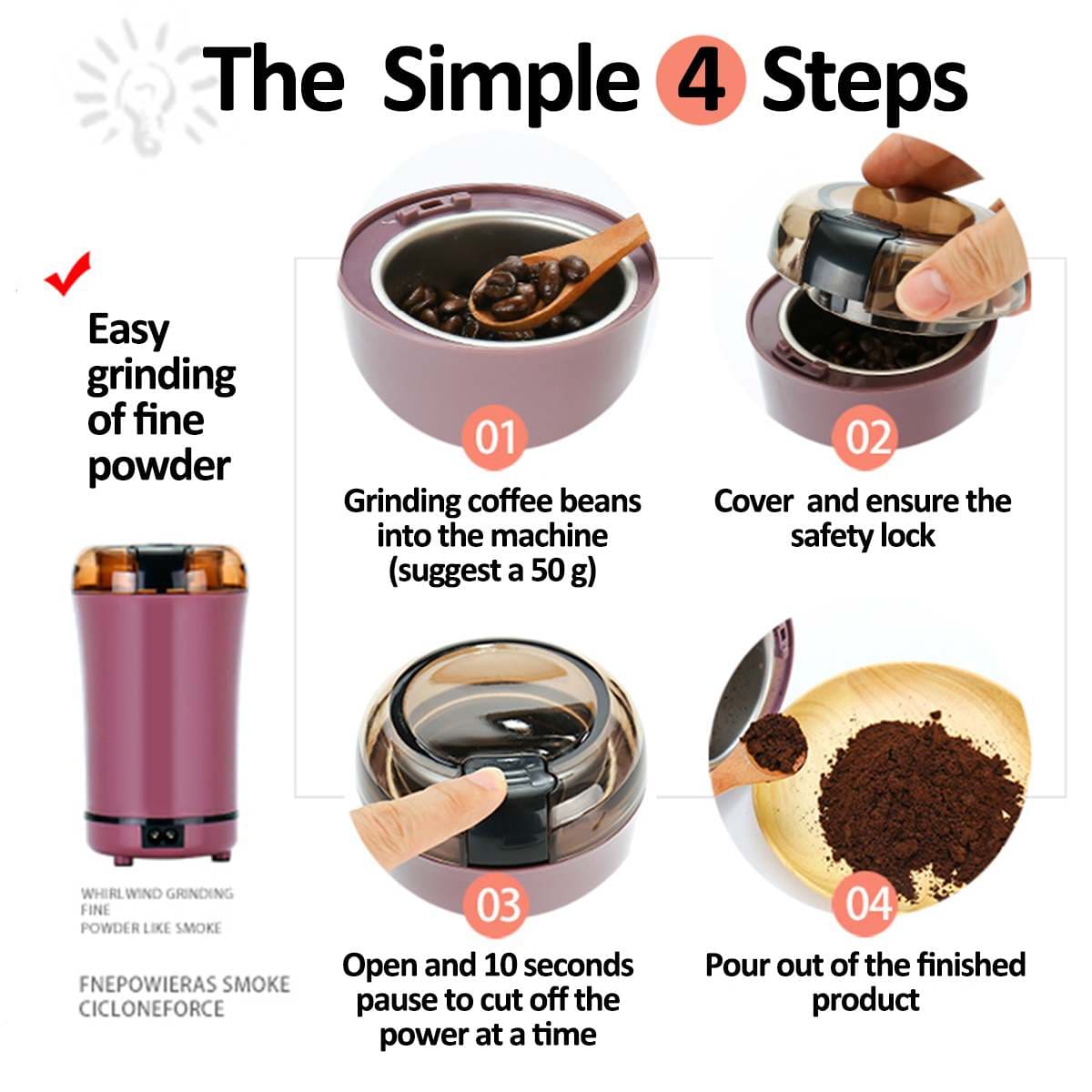
If you want the clearest possible cup with minimal fuss, the Chemex is worth trying. Pair it with a quality grinder such as our Electric Coffee Grinder, which grinds up to 2 ounces in about 20 seconds, so grind consistency is easier to manage. Start with one of our single-origin beans, brew carefully for a few weeks, and decide from there whether the extra effort pays off for you.
Frequently Asked Questions
Is a Chemex really worth it compared with a drip coffee maker?
For many home drinkers, yes, if the goal is a clean, clear cup with less sediment and fewer oils than a standard drip machine produces. A Chemex asks for more attention: you weigh coffee, control the pour and wait for the brew to finish. A drip maker is faster and needs almost no input. If you need several cups quickly, a drip machine or a Chemex paired with a reliable electric grinder such as the Smokin Java Electric Coffee Grinder ($66.00) will make the routine easier.
Why does my Chemex coffee taste sour?
Sourness usually comes from under-extraction: the grounds are too coarse, the water is too cool, the brew is too short, or the pour is too fast for the grind. Try a slightly finer grind, water in the upper part of the typical brewing range, and a pour that takes about three to four minutes in total. Single-origin coffees such as the Costa Rica ($18.99) or Colombia ($18.99) from Smokin Java can show clear fruit notes that some drinkers mistake for sourness, so adjust gradually.
Is a Chemex filter different from a V60 filter?
Yes. Chemex filters are thicker, folded, and made to be used with its wider, flat-bottomed carafe. That thickness traps more fine particles and more of the oils that give coffee its body, which is why Chemex cups read cleaner and lighter. V60 filters are thinner and cone-shaped, allowing more oil through and often a fuller body. The two brewers are not interchangeable, so use the filter designed for the brewer you own.
Is a Chemex difficult to use for daily coffee?
The learning curve is modest. Most people get consistent results after a few brews by keeping three variables fixed: a set coffee weight, a set water weight and a set grind size. The main skill is a steady, even pour that keeps the grounds evenly wetted. Once that routine is set, a Chemex takes roughly the same daily effort as other manual methods, and it suits drinkers who enjoy a ritual rather than a button press.
