
Last Updated: November 17, 2026
Quick Summary
The best light roast coffee for cold brew is one with fruit or floral notes, since cold water extracts sweetness and aroma gently and keeps brightness that heat can flatten. For sweet, fruity cold brew, choose a natural-process bean; for a crisp, floral cup, choose a washed one.
- Cold steeping favors sweetness and aroma over the bitterness that hot brewing pulls out.
- Start with a coarse grind and a 1-to-6 concentrate ratio, steeping 12 to 18 hours in the refrigerator.
- Natural-process beans taste sweeter and rounder; washed beans give the brightest, most transparent cup.
- If a light roast tastes thin, it is usually under-extracted, so grind finer or steep longer before blaming the bean.
- Change only one variable per batch so you can tell which adjustment improved the cup.
Table of Contents
- Why Light Roast Works for Cold Brew
- How Roast Level Changes Flavor, Acidity and Body
- Our Tasting Method for Ranking Light Roast Beans
- Best Light Roast Coffee for Cold Brew: Side-by-Side Review
- Light Roast Cold Brew Ratio and Recipe Variables
- Whole Beans, Grind Size and Freshness
- Why Dark Roast Cold Brew Tastes Different and When to Choose It
- Start Your Light Roast Cold Brew With Smokin Java
- Frequently Asked Questions
Why Light Roast Works for Cold Brew
Light roast coffee is one of the strongest choices for cold brew because cold water pulls flavor out slowly and gently. That slow extraction keeps the bright, fruity and floral notes that heat can flatten.
Cold brew also changes what you taste. Hot brewing tends to bring out bitterness and roast char. Cold steeping favors sweetness and aroma, which is why many coffee drinkers who find dark roasts harsh enjoy light roast cold brew.
How Roast Level Changes Flavor, Acidity and Body
Roast level shapes three things in your cup: acidity, flavor and body. Light roasts keep more of the bean's natural acids, which read as brightness and citrus or stone fruit notes. Darker roasts break those acids down and build bittersweet chocolate, smoke and roasted flavors. That part is simple. What most guides skip is that origin and processing change how much of that brightness actually survives a cold steep.
A washed light roast from a high-elevation farm tends to taste clean and tea-like, with the acidity showing up as a crisp finish rather than a sour edge. A natural-process light roast, dried with the fruit still on the bean, usually lands sweeter and rounder, with berry or stone-fruit notes that cold water pulls out gently. Honey-processed beans sit between the two, adding body without the heavier roast flavors. This is why two light roasts at the same roast level can taste completely different in cold brew, and why picking by origin and process matters as much as picking by roast label.
Body works the other way. Darker roasts usually feel heavier in the mouth, while light roasts feel cleaner and more tea-like. For a refreshing iced cup, a medium-light roast often hits the sweet spot between brightness and balance. A common pattern is that natural and honey processes give light-roast cold brew more perceived sweetness and body, while washed lots give you the brightest, most transparent cup.
Acidity is the variable drinkers notice most. Light-roast cold brew can taste sharp if the coffee is under-extracted or if you dilute a strong concentrate too little. Most practitioners find that a slightly finer grind or a longer steep smooths that edge without losing the fruit. If you want brightness but not sourness, start with a natural or honey process and adjust the brew from there.
Watch out: a light roast that tastes thin or muted in cold brew is usually under-extracted, not a bad bean. Grind a touch finer or extend the steep by two hours before you blame the roast.
Our Tasting Method for Ranking Light Roast Beans
Keep your own notes the same way. Taste each coffee at the same temperature, and change only one variable at a time.
Best Light Roast Coffee for Cold Brew: Side-by-Side Review
Smokin Java's light and medium-light options give you a clear choice between a fruity, dessert-style cup and a bright floral one. Both are sold as single-origin beans.
Ethiopia Natural: Fruity and Caramel Notes
The Ethiopia Natural is a med-light roast from smallholder farmers in Ethiopia's Sidama Zone, grown at 1,700 to 1,900 meters. You can shop the Ethiopia Natural to compare its tasting profile directly. Its tasting profile lists milk chocolate, fruit and caramel, and it is dried naturally on raised beds.
In cold brew, this bean leans toward sweetness and a round, syrupy body. It is a good pick if you want fruit without much sourness. Priced at $18.99, it is one of the most approachable single origins in the lineup.
Best for: drinkers who like a sweet, fruity cold brew with a caramel finish. Skip if: you want a very bright, tea-like cup.
Tanzania: Bright Floral Cup
Our Tanzania bean is a medium-light roast from small cooperative farmers in the Mbeya Region, grown at 1,200 to 1,900 meters. You can buy the Tanzania bean and brew it cold right away. Its profile lists pear, jasmine and strawberry, and it is fully washed and dried on raised beds.
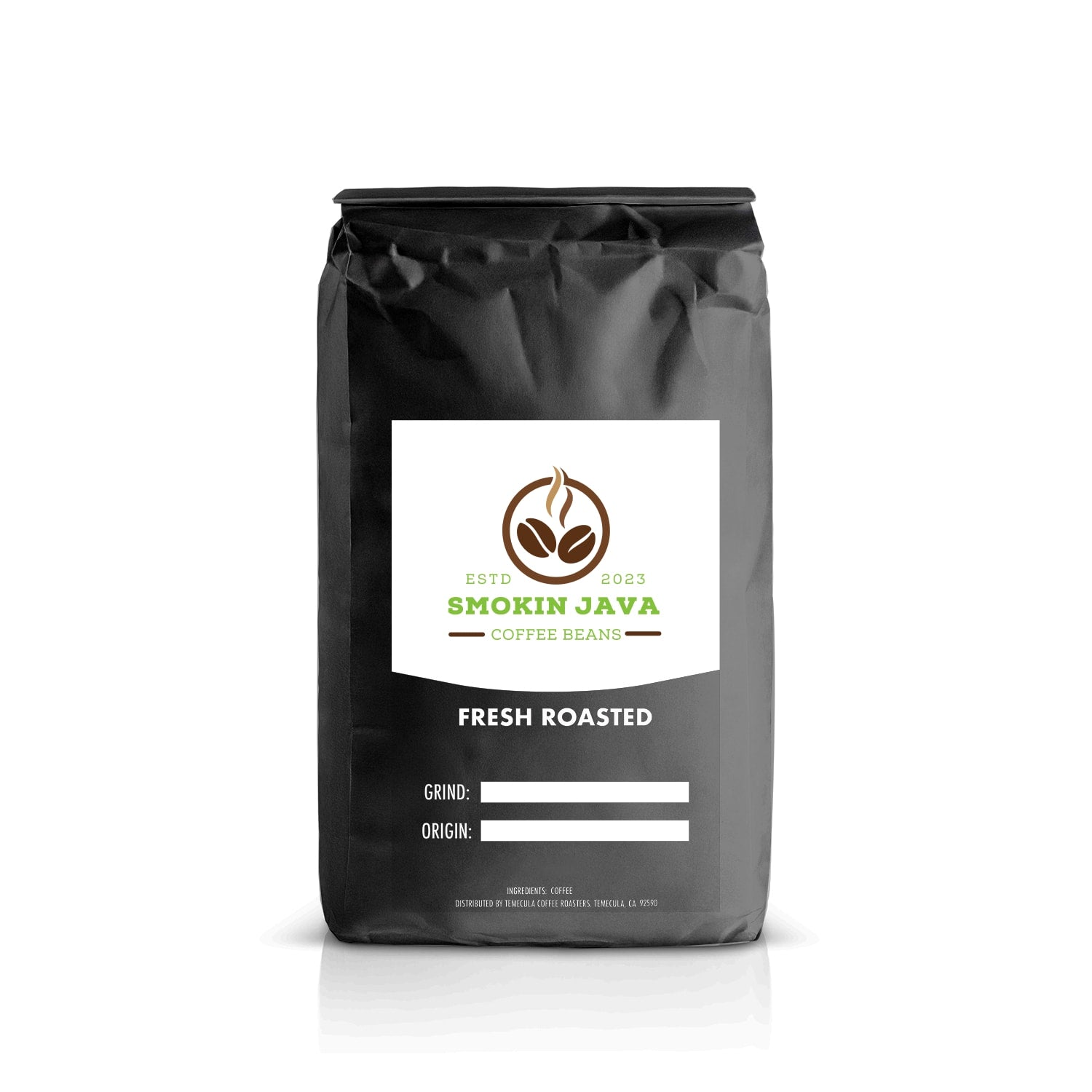
Cold brewed, it is the brighter and more aromatic of the two. The floral notes stand out clearly, and the finish is clean. At $18.99, it is a strong choice if you like lighter, crisper iced coffee.
Best for: anyone who wants a floral, juicy cold brew. Skip if: you prefer chocolate and caramel over fruit and florals.
Light Roast Cold Brew Ratio and Recipe Variables
Most cold brew guides give you one ratio and move on. Light roast needs its own starting point because the bean has less roast development to extract from, so a recipe built for dark roast can leave it tasting thin. Use this as your baseline, then adjust one variable at a time.
Grind size. Use a coarse grind, about the texture of sea salt. Light roasts are denser than dark roasts, so a grind that looks right for a dark bean can under-extract a light one. If your first batch tastes weak or sour, go one notch finer before changing anything else.
Ratio. Start with 1 part coarsely ground coffee to 6 parts cold water by weight for a concentrate you dilute over ice, or 1 to 8 for a ready-to-drink batch. Light roast tolerates the stronger end of that range better than dark roast because it has less bitterness to concentrate.
Steep time. Steep 12 to 18 hours in the refrigerator. Light roast benefits from the longer end of that window. Past 18 hours, the acidity can sharpen rather than deepen, so taste at 12 and 16 hours the first time you brew a new bean.
Temperature. Refrigerator steeping is slower and cleaner than counter steeping. If you steep at room temperature, cut the time to 8 to 12 hours and expect a rounder, less bright cup.
Dilution. Dilute the concentrate to taste, usually 1 part concentrate to 1 or 2 parts water or milk over ice. Taste the concentrate first so you know what you are diluting.
Troubleshooting follows the same one-variable rule. If the batch is overly acidic, grind finer or steep longer. If it is thin or muted, increase the coffee-to-water ratio before you extend the steep. If it is bitter, your grind is too fine or you steeped too long. Keep notes on grind, ratio and time for each batch so you can repeat the one you like.
Watch out: changing grind, ratio and steep time in the same batch makes it impossible to know which change fixed the cup. Move one dial at a time.
Light roast needs its own starting point, so here are the recipe variables the article recommends for a first batch.
| Variable | Recommended setting | Note |
|---|---|---|
| Grind size | Coarse, like sea salt | Go one notch finer if the batch tastes weak or sour |
| Ratio (concentrate) | 1 part coffee to 6 parts water by weight | Used as a concentrate you dilute over ice |
| Ratio (ready-to-drink) | 1 part coffee to 8 parts water by weight | Used for a batch you drink without diluting |
| Steep time (refrigerator) | 12 to 18 hours | Taste at 12 and 16 hours on a new bean |
| Steep time (room temperature) | 8 to 12 hours | Expect a rounder, less bright cup |
| Dilution | 1 part concentrate to 1 or 2 parts water or milk | Taste the concentrate before diluting |
Whole Beans, Grind Size and Freshness
Buy whole beans and grind them just before brewing. Read how long roasted coffee stays fresh to plan your buying schedule. Pre-ground coffee loses aroma quickly, and light roasts, which are more delicate, show that loss faster. Learn why freshly ground coffee makes a big difference before you choose between whole beans and grind size. For cold brew, use a coarse grind so the coffee does not turn muddy in the filter.
Smokin Java roasts each batch upon order, so the beans reach you fresh. If you grind at home, the Electric Coffee Grinder at $66.00 handles coarse settings and can grind about 2 ounces in 20 seconds. Keep runs to 60 seconds or less and fill the bowl no more than two-thirds full, as the product instructions advise.
Why Dark Roast Cold Brew Tastes Different and When to Choose It
Dark roast cold brew is heavier, smoother and more chocolatey, with less acidity. If you already drink dark roasts hot and like them that way, cold brewing them will give you a rounder, low-bitterness cup.
Choose dark roast when you want a bold, dessert-like iced coffee with milk. Choose light roast when you want fruit, florals and a crisp finish. Smokin Java's Cold Brew Coffee at $18.99 is a medium blend with chocolate, toffee and floral tones, made for cold brew or nitro, so it sits between the two styles.
Start Your Light Roast Cold Brew With Smokin Java
Our pick for most people is the Ethiopia Natural if you want sweetness, or the Tanzania if you want brightness. If you are ready to start, try our ready-made cold brew coffee. Both ship as single-origin beans at $18.99. Pair either one with the Electric Coffee Grinder for fresh, coarse grounds at home, and use the Portable Iced Brew Coffee Maker at $38.00 when you want iced coffee on the go.
Frequently Asked Questions
Can I use light roast coffee for cold brew?
Yes. Light roast works well for cold brew because cold water pulls out fewer bitter compounds than hot water, so the bright, fruity and floral notes of a light roast come through clearly. Expect a cup with more acidity and less body than a dark roast. Smokin Java's Ethiopia Natural ($18.99) and Tanzania ($18.99) are both medium-light roasts with clear fruit and floral profiles that suit cold brew well.
What coffee roast is best for cold brew?
Most cold brew drinkers prefer medium to medium-light roasts because they balance sweetness with brightness. Light roasts give the most distinct fruit and floral flavors, while dark roasts give chocolate and smoky tones with heavier body. Smokin Java's Cold Brew Coffee ($18.99) is a medium blend with smooth chocolate, toffee and floral tones, made for cold brew or nitro.
Is dark or light roast better for cold brew?
It depends on the flavor you want. Light roast gives a brighter, lighter-bodied cup with fruit and floral notes. Dark roast gives a heavier, chocolatey cup with lower acidity. Light roast is the better choice if you want to taste the origin of the beans. Dark roast suits people who prefer a bold, low-acid drink served with milk or sweetener.
What is a good light roast cold brew ratio?
A common starting ratio is 1 part coffee to 8 parts cold water by weight, steeped 12 to 16 hours in the refrigerator with a coarse grind. Light roasts are denser and can handle a slightly stronger ratio if you want more body. Adjust in small steps and taste after each batch, since light roasts can taste sour if under-extracted.
