

Table of Contents
- What Makes Light Roast Single Origin Coffee Different
- Flavor Profiles of Single Origin Coffee: What to Expect
- Best Brewing Methods for Light Roast to Maximize Flavor
- How to Choose the Best Coffee Roast for Your Taste
- Caffeine Content and Acidity: Light Roast vs Dark Roast
- Water Chemistry and Degassing: What Most Guides Miss
- Top Light Roast Single Origin Picks from Smokin Java
- Frequently Asked Questions
Last Updated: September 28, 2026
What Makes Light Roast Single Origin Coffee Different
Light roast single origin coffee is a coffee made from beans grown in one specific region, then roasted to a lighter level that stops before the beans develop dark, smoky oils. This combination preserves the bean's natural character instead of masking it. According to Specialty Coffee Association brewing standards, lighter roast profiles demand more careful extraction to show their best qualities.

How Roasting Unlocks Origin Characteristics
Roasting applies heat that drives off moisture and triggers browning reactions inside the bean. Stop it early and you keep more of the acids, sugars, and aromatic compounds that developed in the soil, altitude, and climate where the coffee grew, what the industry calls terroir.
Flavor Profiles of Single Origin Coffee: What to Expect
The flavor profiles of single origin coffee vary dramatically by region, and that variety is the whole point. Washed process coffees tend to show clean acidity and clarity; natural process coffees lean sweeter and fruitier because the fruit dries onto the seed before milling.
| Origin | Typical Flavor Notes | Process | Roast Level |
|---|---|---|---|
| Ethiopia (Sidama) | Milk chocolate, fruity, caramel | Natural | Med-light |
| Tanzania (Mbeya) | Pear, floral, jasmine, strawberry | Washed | Medium-light |
| Colombia (Medellín) | Dried orange, berry, chocolate | Washed | Medium |
| Guatemala (Antigua) | Dark chocolate, bright fruit, butterscotch | Washed | Medium |
Acidity, Brightness, and Body in Light Roasts
Acidity in coffee is not sourness. It's a pleasant, tongue-tingling liveliness, often called brightness, and light roasts carry more of it than dark roasts. Body refers to the weight and texture of the coffee on your palate, or mouthfeel.

Best Brewing Methods for Light Roast to Maximize Flavor
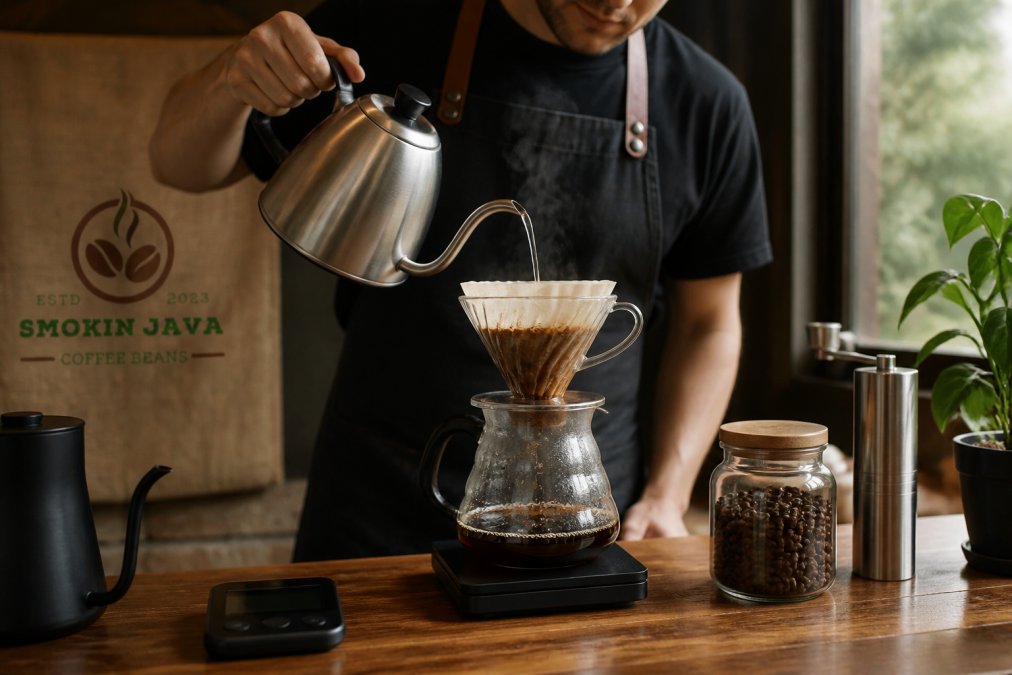
The best brewing methods for light roast coffee are pour-over and drip, because both give you control over water temperature and contact time. Light roasted beans are denser and less soluble, so they need hotter water and more patience than dark roasts.
Pour-Over and Drip Coffee Techniques
Start with water just off a boil, around 200 to 205 degrees Fahrenheit, and a medium-fine grind. A 1:16 coffee-to-water ratio is a solid starting point, so roughly 20 grams of coffee to 320 grams of water.
- Rinse your filter with hot water and discard the rinse
- Add grounds and pour just enough water to saturate them
- Wait 30 to 45 seconds for the coffee to bloom and release gas
- Pour in slow circles, keeping the bed level
- Finish the brew in two to three minutes total
How to Choose the Best Coffee Roast for Your Taste
Choosing the best coffee roast means matching three variables: your brewing method, your water, and how you drink the cup. Light roasts reward control; dark roasts forgive neglect. Most people who think they dislike light roast have simply brewed it like a dark roast.
Match the Roast to Your Brewing Method
- Pour-over (V60, Chemex, Kalita Wave): Light roast is the clear winner. These brewers give you direct control over temperature, agitation, and contact time, exactly what dense, less-soluble light roast beans need.
- AeroPress: Excellent for light roast because you can push water temperature to 200-205°F and extend immersion without over-extracting. A finer grind and two-minute steep pulls sweetness from washed African coffees.
- French press: Workable but tricky. The metal mesh filter lets oils and fine particles through, muddying delicate floral notes. Go coarser and skim the crust.
- Standard drip machine: Only if it reaches 195-205°F. Many budget machines plateau around 180°F, under-extracting light roast into a thin, sour cup. Check your machine's brew temperature before blaming the beans.
- Espresso: Possible but demands a finer grind, longer pre-infusion, and higher brew temperature than dark roast. An advanced setup, not a beginner one.
Match the Roast to Your Water
Light roast coffee is more sensitive to water mineral content than dark roast because the compounds you are extracting are more delicate. Very soft or reverse-osmosis water strips the cup of body and sweetness; very hard water over-extracts and tastes bitter. Moderate mineral content, roughly 50-150 ppm total dissolved solids, is where light roast single origin coffees show their best.
Match the Roast to How You Drink It
- Black, no sugar: Light roast. You are tasting the origin, and that is the point.
- With milk or cream: Medium to dark roast. Milk fat mutes the delicate acids in light roast, so you lose the very thing you paid for.
- With sugar or flavored syrup: Dark roast. The roast character holds up against sweeteners; light roast disappears.
- Iced or cold brew: Medium roast often works better than light because cold extraction is less efficient at pulling out light roast's delicate compounds. If you want light roast cold brew, use a finer grind and a longer steep.
The Honest Answer for Undecided Drinkers
If you want to put this framework into practice, the Single Origin Favorites Sample Pack at $24.99 gives you six 2-ounce packs spanning Brazil Santos, Colombia, Costa Rica, Ethiopia, Honduras, and Tanzania, enough to test roast level, origin, and process against your own brewing setup.
Caffeine Content and Acidity: Light Roast vs Dark Roast
Caffeine content barely changes between roast levels by weight, though it drops slightly by volume because darker beans lose mass during roasting. The bigger myth is that dark roast is "stronger." It tastes bolder, but bold flavor and caffeine are different things.
Water Chemistry and Degassing: What Most Guides Miss
Two variables quietly wreck more light roast brews than grind size ever will: water chemistry and degassing time. Here is what is happening and how to fix it.
Water Chemistry: The Extraction Medium
Coffee is roughly 98% water, so the water itself is a brewing variable, not a neutral carrier. Extraction depends on the water's mineral content, specifically calcium, magnesium, and bicarbonate.
- Magnesium binds to fruity and acidic compounds and pulls them into the cup. Too little magnesium and light roast tastes flat and hollow.
- Calcium contributes to body and sweetness but can cause scale buildup in kettles and machines.
- Bicarbonate acts as a buffer. A little is fine. Too much neutralizes the acids that give light roast its brightness, and the cup tastes dull.
Degassing: Why Fresh Roast Isn't Always Best
Freshly roasted beans release carbon dioxide for days after roasting. That gas repels water at the surface of the grounds, creating uneven saturation and a gassy, sharp cup, which is why coffee roasted yesterday can taste worse than coffee roasted a week ago.
- Dark roast: 2-4 days rest after roast date
- Medium roast: 4-7 days rest
- Light roast: 7-14 days rest, with many single origin light roasts peaking around day 10 to 14
How to Apply This Without Buying Lab Equipment
- Taste your tap water on its own. If it tastes good, brew with it.
- If it tastes flat or overly filtered, add a small amount of mineral-adjusted water or a brewing-water packet.
- Check the roast date on every bag. If it was roasted within the last three days, wait.
- Store beans in an airtight container away from light and heat. Degassing continues after opening, and oxygen accelerates staling.
- Adjust one variable at a time. Change water or rest time, not both, so you know what worked.
Smokin Java roasts each batch the day it ships, so your beans arrive inside the freshness window where light roasts perform, but they still need a few days of rest to hit their peak. To test this, the Ethiopia Natural at $18.99 is a good candidate: brew it on day three and again on day ten, and the difference in sweetness and clarity will be obvious.

Top Light Roast Single Origin Picks from Smokin Java
Our lightest and most expressive single origin is the Ethiopia Natural at $18.99, a med-light roast from smallholder farms in the Sidama zone with notes of milk chocolate, fruity, and caramel, the clearest example of what natural process coffee can do.
Frequently Asked Questions
Is light roast single origin coffee more acidic than dark roast?
Yes, light roast single origin coffee typically has higher perceived acidity because the roasting process stops before acids break down. This acidity shows up as brightness and fruity or floral notes rather than a sour taste. If you have sensitivity to acidic coffee, a medium or medium-dark roast like Smokin Java's Brazil Santos may suit you better. For everyone else, that acidity is what makes light roasts taste complex and lively.
Does light roast coffee have more caffeine than dark roast?
By weight, light roast beans retain slightly more caffeine because they lose less mass during roasting. However, when you scoop coffee by volume, the difference is minimal. What matters more for your daily cup is dose and brewing method. A pour-over made with 20 grams of light roast single origin coffee will deliver a similar caffeine hit to the same dose of dark roast. Focus on your recipe, not the roast level.
What are the drawbacks of light roast coffee?
Light roast coffee can taste underdeveloped if the beans were not roasted with intention or if you brew them with the wrong method. It also demands more precision: water just off boil, a finer grind, and longer extraction. If you typically use a drip machine with coarse grounds, a light roast may taste sour or thin. The fix is adjusting your brewing method, not avoiding light roasts altogether.
How should you brew light roast single origin beans to maximize flavor?
Use water between 195 and 205 degrees Fahrenheit, a medium-fine grind, and a pour-over or drip method that gives you control over extraction time. Light roast beans are denser and less soluble, so they need hotter water and a slightly longer brew than dark roasts. Start with a 1:16 coffee-to-water ratio and adjust from there. Smokin Java's Ethiopia Natural shines in a pour-over, where its fruity and caramel notes come through clearly.
What makes single origin coffee different from blends?
Single origin coffee comes from one region, farm, or cooperative, so it reflects the terroir, processing method, and variety of that specific place. Blends combine beans from multiple origins to create a consistent, balanced flavor that does not change seasonally. Single origin coffees like Smokin Java's Tanzania highlight unique notes such as jasmine and strawberry, while blends aim for reliability. Neither is better; they serve different drinking goals.