

Table of Contents
- Roast Levels at a Glance: A Comparison Table
- How Roast Level Changes Acidity, Body, and Caffeine
- Light vs Dark Roast Flavor Profile: Which Suits Your Palate?
- The Best Coffee Roast for Espresso and Other Brewing Methods
- Bean Density, Origin, and Processing: Why Roast Isn't Everything
- How to Store Fresh Roasted Coffee Beans for Peak Flavor
- Sustainability and Ethical Sourcing: Reading the Label
- Conclusion: Building Your Daily Coffee Roast Routine
- Frequently Asked Questions
Last Updated: September 16, 2026
Roast Levels at a Glance: A Comparison Table
Choosing the best coffee roast comes down to matching three variables to your taste: acidity, body, and how you brew. Most drinkers default to whatever bag looks familiar, then wonder why the cup tastes flat. The roast level, not the origin or price, is usually the deciding factor.
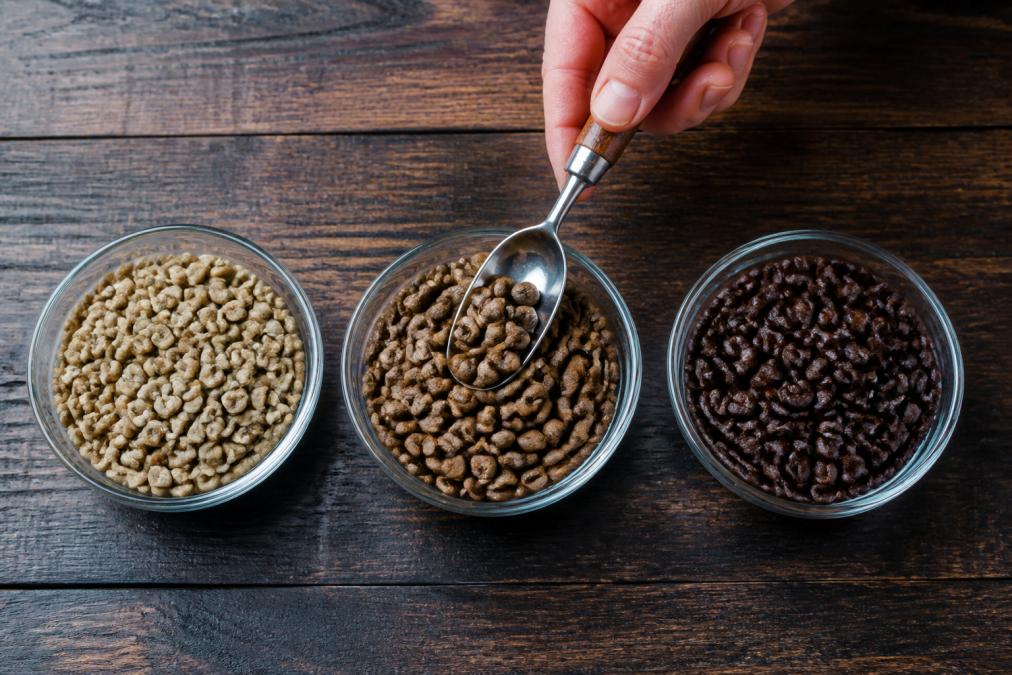
| Roast Level | Acidity | Body | Dominant Tasting Notes | Best For |
|---|---|---|---|---|
| Light | High, bright | Light, tea-like | Floral, fruity, citrus | Pour-over, drip |
| Medium | Balanced | Medium, rounded | Nutty, chocolatey, caramel | Drip, AeroPress |
| Dark | Low | Heavy, syrupy | Smoky, bitter, dark chocolate | Espresso, moka pot |
How Roast Level Changes Acidity, Body, and Caffeine
Roast level is the single biggest lever on flavor because heat transforms the bean's chemistry. As beans roast longer, sugars caramelize, acids break down, and oils migrate to the surface, a predictable trade of brighter, lighter cups at one end and heavier, darker cups at the other.
Acidity and Brightness
Light roasts retain more natural acids, so they taste bright, tangy, and sometimes fruity. Dark roasts lose most of that acidity to the heat, landing smoother but flatter. If you get heartburn from coffee, a darker roast is often easier, though the effect varies by person.
Body, Mouthfeel, and Oiliness
Body is the weight of the coffee on your tongue. Light roasts feel thin, almost like tea; dark roasts feel syrupy and coat the mouth. You can see it on the bean: dark roasts develop a shiny sheen as oils rise, while light roasts stay matte and dry.
Caffeine Content by Roast Level
A common myth says dark roast has more caffeine because it tastes stronger. The opposite is closer to the truth: caffeine is fairly heat-stable, but dark roasting burns off more mass, so a dark bean weighs less than a light bean of the same original size. Measure by scoop and light roast usually wins; by weight, the gap shrinks to almost nothing.
Light vs Dark Roast Flavor Profile: Which Suits Your Palate?
The light vs dark roast flavor profile decision comes down to what you want from the cup. Light roasts highlight origin character, floral, fruity, citrus notes from the bean itself. Dark roasts highlight the roast: smoky, chocolatey, bitter notes created by heat.
The Best Coffee Roast for Espresso and Other Brewing Methods
The best coffee roast for espresso is a medium to dark roast: the machine's pressure amplifies acidity, so a lighter bean can turn sharply sour. Espresso rewards body and sweetness, both developed by darker roasting.
Other methods pull in different directions:
- Pour-over and drip: Light to medium roasts, which let delicate floral and fruity notes come through the paper filter.
- French press: Medium to dark roasts, since the metal mesh keeps oils that complement a heavier body.
- Cold brew: Medium to dark roasts, which hold up over long, cool extraction without turning bitter.
- Moka pot: Medium roasts, which balance the pot's intense pressure without going ashy.
Matching Roast to Grind Size and Extraction
Roast level and grind size are linked. Darker beans are more porous and brittle, extracting faster and needing a coarser grind to avoid bitterness. Lighter, denser beans resist extraction, so they need a finer grind or hotter water. If your cup turns harsh after switching roasts, adjust the grind first.
| Brewing Method | Recommended Roast | Grind Size | Why |
|---|---|---|---|
| Pour-over | Light to medium | Medium-fine | Preserves delicate acidity |
| Drip machine | Medium | Medium | Balanced, forgiving |
| French press | Medium to dark | Coarse | Oils add body |
| Espresso | Medium to dark | Fine | Body and sweetness under pressure |
| Cold brew | Medium to dark | Coarse | Withstands long extraction |
Bean Density, Origin, and Processing: Why Roast Isn't Everything
Roast level is not the only variable. Bean density, origin, and processing method all shape the final cup before the roaster touches the bean, and they change how the roast behaves in your brewer.
Why Density Changes Everything
Green coffee beans are dense. As they roast, they lose mass, mostly water and carbon dioxide, and expand. A light roast can lose roughly 12 to 15 percent of its green weight; a dark roast 18 to 22 percent. That mass loss is why a scoop of dark roast weighs less than a scoop of light roast, and why the two behave differently in water.
Density and roast level interact in a predictable way:
- Light roasts stay denser. Their cell walls are intact, so water penetrates slowly. They resist extraction and often need a finer grind, hotter water, or longer contact time to taste sweet rather than sour.
- Dark roasts are more porous. Roasting fractures the cell structure and pushes oils to the surface, so water moves through quickly and they can turn bitter or ashy if ground as fine as a light roast.
Origin and Altitude
High-grown beans tend to be denser because cooler temperatures slow the cherry's development, concentrating sugars and acids. That density is why so many single-origin light roasts come from mountainous regions, the bean takes the heat of a light roast without tasting hollow or grassy. Lower-density beans can taste thin when roasted light and often perform better at medium or dark.
Processing Method
Processing, how the fruit is removed from the seed, shapes flavor before roasting begins:
- Washed process: Fruit is removed before drying, giving cleaner, more predictable acidity and a clearer read on origin. The classic pairing for light roasts.
- Natural process: The fruit dries on the bean, adding fermented, berry-like, sometimes winey notes and heavier body. Naturals can taste muddy at very light roasts and shine at medium.
- Honey process: Some fruit mucilage stays on the bean during drying, splitting the difference, more sweetness and body than washed, less funk than natural.
How to Store Fresh Roasted Coffee Beans for Peak Flavor
Knowing how to store fresh roasted coffee beans matters as much as the roast you pick, because even great beans go stale fast. Coffee begins losing aroma within days of roasting as oxygen and moisture break down the oils that carry flavor. But "fresh" is not the same as "just roasted."
The Resting Period: Why the Roast Date Isn't the Brew Date
Coffee releases carbon dioxide for days after roasting, a process called degassing. Brew too soon and the escaping gas pushes water away from the grounds, producing an uneven, gassy, sometimes sour cup. Wait too long and the bean has begun to stale.
The window most roasters and home brewers settle on:
- Espresso: Roughly 5 to 14 days after the roast date. Espresso is sensitive to gas because of the short, pressurized extraction. Beans rested less than about five days often pull thin and inconsistent.
- Pour-over, drip, and AeroPress: Roughly 3 to 10 days. These methods are more forgiving of residual gas.
- French press and cold brew: Roughly 7 to 21 days. Longer contact time and heavier body tolerate a wider window.
Storage Rules That Actually Matter
The enemies are oxygen, moisture, heat, and light, in roughly that order of impact:
- Buy whole beans and grind just before brewing.
- Keep beans in an airtight, opaque container, not the original bag's fold-over top.
- Store at room temperature, away from light, heat, and moisture.
- Skip the freezer for daily-use beans; condensation damages them each time you open the container.
- Check the roast date, not the "best by" date, and aim to finish a bag within a few weeks.
What to Do With Beans Past Their Peak
Stale beans are not trash. They still make acceptable cold brew, where long, cool extraction masks staleness, and work in a moka pot where milk and sugar carry the cup. What they will not do is reward a delicate pour-over.
Sustainability and Ethical Sourcing: Reading the Label
Sustainability claims on coffee packaging range from verifiable to vague. Terms like "ethically sourced" and "farm-direct" are not regulated, so they can mean almost anything. Third-party certifications are the ones you can actually check.
Look for:
- USDA Organic certification, which verifies growing standards and is independently audited.
- Fair Trade certification, which sets minimum prices and standards for farmer cooperatives.
- Rainforest Alliance certification, which covers environmental and social criteria together.
Conclusion: Building Your Daily Coffee Roast Routine
The best coffee roast matches your brewing method, your taste, and your freshness standards, a personal combination. Start with a medium roast if unsure, then move lighter for brightness or darker for body. Track the roast date, adjust your grind when you switch roasts, and let your palate, not the label, make the final call.
Frequently Asked Questions
What type of coffee roast is the best?
There is no single best coffee roast. The right choice depends on your preferred flavor profile and brewing method. Light roasts highlight floral and fruity tasting notes, medium roasts balance sweetness and acidity, and dark roasts deliver smoky, chocolatey flavors with a heavier body. Try a few roast levels from a roaster that ships fresh to find what suits your daily ritual.
How do roast levels affect the caffeine content of coffee?
Caffeine content stays largely the same across roast levels because caffeine is stable during roasting. However, measuring by volume, dark roasts often contain slightly more caffeine per scoop because the beans lose mass and fit more densely. By weight, light and dark roasts are nearly identical. If caffeine is your priority, focus on dose and brewing method rather than roast level.
What is the difference between light, medium, and dark roasts?
Light roasts are pulled from the roaster before second crack, preserving acidity, floral notes, and a lighter body. Medium roasts sit between first and second crack, offering balance with caramel sweetness and nutty notes. Dark roasts pass second crack, developing smoky, chocolatey flavors, lower acidity, and an oily surface. Each level suits different brewing methods and taste preferences.
Does the roast level impact the acidity of my coffee?
Yes. Light roasts retain more of the bean's natural acids, which read as bright, fruity, or citrusy in the cup. As roasting continues, those acids break down, so dark roasts taste smoother and less acidic. If you have a sensitive stomach or prefer a mellow cup, a medium or dark roast is often the better choice. Brewing method also plays a role.
How does the brewing method influence which roast I should choose?
Espresso works best with medium to dark roasts because the pressure and short extraction time favor deeper, chocolatey flavors and a syrupy body. Pour-over and drip methods highlight light and medium roasts, letting fruity and floral notes come through. French press and cold brew handle dark roasts well, where the heavy body and low acidity shine. Match the roast to the brewer for the best cup.
How can I tell if coffee beans are high quality?
Look for a visible roast date, not just a best-by date. Fresh roasted coffee beans peak within two to four weeks of roasting. Whole beans with an even color, a pleasant aroma, and no oily residue on light or medium roasts signal quality. Single-origin beans with clear tasting notes and a named processing method, such as washed or natural, also indicate a roaster who cares about the details.
Picking a coffee roast can feel like guesswork when every bag makes the same promises, but the variables that matter are simple: roast level, brew method, and roast date. Smokin Java takes the guesswork out of the freshness half of that equation with beans roasted the day they ship, locally organic roasts, ethical partnerships with coffee farmers, and eco-friendly packaging. Get started with Smokin Java and brew a cup that tastes as fresh as the day it was roasted.