
Table of Contents
- Why the Best Organic Coffee Subscription Service Matters for Your Daily Cup
- How We Evaluated the Best Coffee Subscription Services
- 1. Smokin Java: Roasted the Day It Ships
- 2. Smokin Java Peru Decaf: Swiss Water Process Without the Caffeine
- How to Choose a Coffee Subscription That Fits Your Routine
- Organic Coffee Delivery: What Freshness and Shipping Should Look Like
- Coffee Subscription Boxes: What Actually Arrives at Your Door
- Conclusion: The Best Organic Coffee Subscription Service for 2026
- Frequently Asked Questions
Last Updated: October 19, 2026
Why the Best Organic Coffee Subscription Service Matters for Your Daily Cup
A bag of coffee starts losing its best qualities within days of roasting, not months. That single fact explains why the best organic coffee subscription service matters more than most people realize: it decides whether your morning cup tastes like the roaster intended or like the warehouse it sat in.
At Smokin Java, we built our whole operation around that idea. We roast each order the day it ships, source certified organic beans from named growers, and skip the warehouse entirely.
An organic coffee subscription is a recurring delivery of certified organic coffee beans, shipped on a schedule you control, usually roasted to order. The coffee arrives with a roast date, not just a best-by date, and you can pause, skip, or cancel without penalty.
How We Evaluated the Best Coffee Subscription Services
We scored every service on four things: roast-to-ship timing, verifiable organic certification, sourcing transparency, and how much control you get over delivery.
Certification is where most roundups get vague. Under USDA organic labeling rules, a coffee can only carry the USDA Organic seal if at least 95% of its contents are certified organic.
Flexibility came next. A subscription you can't pause is a subscription you'll cancel. We looked for skip-a-shipment options, easy frequency changes, and clear cancellation terms.
| Criteria | What We Checked | Why It Matters |
|---|---|---|
| Roast timing | Ships day of roast | Flavor peaks days after roasting |
| Certification | USDA Organic seal | Verifiable, not marketing copy |
| Sourcing | Named growers and regions | Traceability and fair partnerships |
| Flexibility | Skip, pause, cancel anytime | Fits real routines |
| Cost per cup | Price per bag | Transparent value |
1. Smokin Java: Roasted the Day It Ships
Our top pick is Smokin Java because freshness isn't a slogan here, it's the shipping schedule.
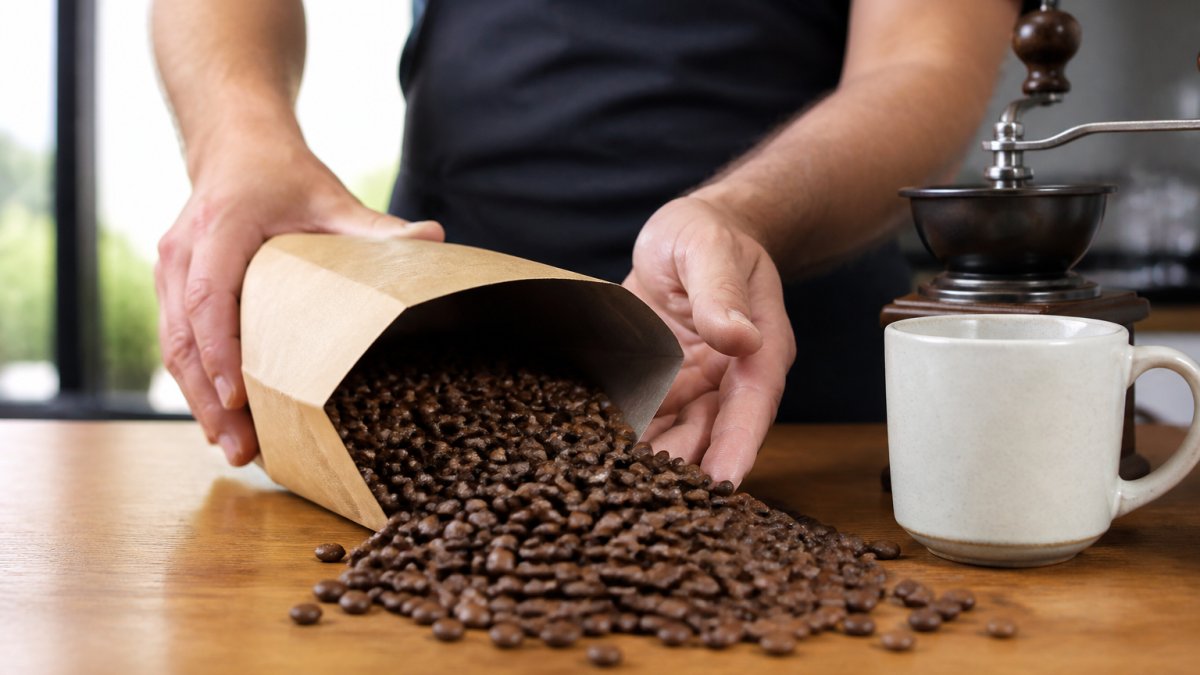
The catalog runs five single-origin offerings at $18.99 per bag, with one decaf at $79.99.
Bali Blue: Dark Chocolate and Molasses
A medium-dark roast from smallholder farmers in Kintamani, Bali, grown at 1,200-1,600 meters on volcanic loam. Tasting notes run to dark chocolate, molasses, and brown sugar. If you like a heavier cup, start here.
Mexico: Chocolate, Cinnamon, Green Apple
Medium roast from Chiapas and Oaxaca growers, fully washed and sun dried. Chocolate and cinnamon up front, green apple on the finish. This is the easiest drinking roast in the lineup and a safe first order.
Peru: Salted Caramel and Citrus
Medium roast from the Norandino cooperative in Piura, Amazonas. Salted caramel, silky sweetness, citrus. It's also Fair Trade and organic, which matters if sourcing ethics drive your buying.
Honduras: Caramel, Spice, Brown Sugar
Medium-dark, from 1,500 grower-members at Cafe Organics Marcala. Caramel, spice, brown sugar. A crowd-pleaser that holds up well with milk.
2. Smokin Java Peru Decaf: Swiss Water Process Without the Caffeine
Decaf is usually where organic subscriptions fall apart. Ours doesn't. The Peru Decaf uses the Swiss Water Process, which removes caffeine without chemical solvents, and keeps the same Norandino cooperative beans as the regular Peru.

Expect caramel, smooth body, and citrus. It's a medium roast, so it drinks like real coffee rather than the flat, papery decaf most people remember.
How to Choose a Coffee Subscription That Fits Your Routine
Match the subscription to your actual consumption, not your aspirational one. A household brewing two cups a day goes through roughly a bag every two to three weeks. Ordering monthly and letting bags stack up defeats the purpose of fresh roasting.
Work through this checklist before you commit:
- Estimate weekly consumption in grams, then convert to bags
- Confirm the roaster ships on the roast date, not from stock
- Check that USDA Organic certification appears on the bag
Verify the Organic Claim, Don't Trust the Label Copy
Most roundups treat "organic" as a vibe. It is a checkable legal claim. Under USDA organic labeling rules, a product may carry the USDA Organic seal only if at least 95% of its contents (by weight, excluding salt and water) are certified organic.
To verify a roaster's claim rather than take it on faith:
- Look for the USDA Organic seal on the bag itself, not just the website.
- Ask for the certifying agent's name, certification is granted by accredited third parties, not the USDA directly.
- Check whether the roaster's name appears in the USDA Organic Integrity Database, which lists certified operations.
- Confirm the specific roast you're buying is covered, not just one flagship SKU.
A roaster that can name its certifier and point to a database listing is making a verifiable claim. One that answers with "our farmers use organic methods" is not.
Match the Grind to Your Brewing Method
Whole bean wins if you own a grinder. Ground coffee stales faster because more surface area meets oxygen. If you buy ground, order smaller bags more often. But grind size matters as much as freshness, the wrong grind turns good beans into a bad cup regardless of roast date.
| Brewing Method | Grind | Roast That Works Best | Why |
|---|---|---|---|
| Espresso | Fine | Medium-dark | Fine grind builds the pressure resistance a shot needs; darker roasts cut through milk |
| Pour-over | Medium | Medium | Even extraction in a 3-4 minute brew; medium roast keeps acidity readable |
| French press | Coarse | Medium-dark | Coarse grounds stay out of the mesh; darker roast holds up to full immersion |
| Drip | Medium | Medium | Matches the basket and cycle time of most home machines |
| Cold brew | Coarse | Medium-dark | Long steep needs coarse grounds and a roast that won't turn bitter over 12-18 hours |
If you brew more than one way, buy whole bean and grind per method. A $30 burr grinder does more for cup quality than upgrading to a more expensive bag.
Do the Per-Cup Math Before You Subscribe
Price per bag tells you little until you convert it to cost per cup. A standard 12-ounce bag yields roughly 24 cups at a 0.5-ounce dose, about 16 grams, a common single-serve amount.
Compare subscriptions on the same basis: price per ounce, shipping included or not, introductory versus renewal pricing, and any minimum commitment. A low intro price that renews higher is not a bargain if you forget to cancel.
Organic Coffee Delivery: What Freshness and Shipping Should Look Like
Freshness is a logistics problem, and the best organic coffee subscription service solves it by shortening the gap between roast and doorstep. A roaster that ships the day it roasts removes the warehouse stage entirely.
Here's what to watch for on delivery:
- A printed roast date, not just a best-by date
- Sealed bags with a one-way degassing valve
- Shipping that matches the roast schedule
Roast-to-Ship Timing and Practical Freshness Windows
Most roasters ship within one to five business days of roasting; the best ship the day of roast or the morning after. Ask for the specific number rather than accepting "fresh roasted" as a claim.
Delivery intervals should match those windows. A weekly or biweekly schedule keeps you inside the peak window; a monthly schedule works only if you drink a bag in under a month.
What the Packaging Should Tell You
On sustainability, ask specifically what the packaging is made of. "Eco-friendly" means little without a material listed. Common options include recyclable kraft with a compostable valve, low-density polyethylene bags that are recyclable at store drop-off points, and fully compostable bags that require commercial facilities.
At Smokin Java, we use eco-friendly packaging practices and maintain ethical partnerships with the farmers who grow our beans.
Decaf, Caffeine, and Household Size
Decaf availability is where many organic subscriptions fall short. If you want an evening cup, confirm the decaffeination method, Swiss Water Process and CO2 methods avoid chemical solvents, while solvent-based methods are cheaper and more common.
Household size drives bag size. A single drinker may struggle to finish a 16-ounce bag inside the freshness window; a two-cup-a-day household will. Order the bag size that matches your consumption, not the one with the best per-ounce price.
Coffee Subscription Boxes: What Actually Arrives at Your Door
A coffee subscription box should arrive with information, not just beans. The bag should tell you the region, altitude, variety, process, and roast level.
The practical test: can you read the bag and predict the flavor? A Honduras listing that says medium-dark, caramel, spice, brown sugar, fully washed, 1,300-1,700 meters tells you exactly what you're getting.

Cost transparency matters too. At $18.99 per bag, you can calculate cost per cup before you subscribe.
Conclusion: The Best Organic Coffee Subscription Service for 2026
The hard part of choosing an organic coffee subscription isn't finding options. It's finding one that roasts fresh, certifies its organic claims, and lets you change your mind without a fight.
Smokin Java is our pick for 2026 because the model is built on freshness: roasted the day it ships, certified organic, sourced through ethical partnerships, and packaged with the environment in mind. Start with the Mexico or Bali Blue, add the Peru Decaf if you want an evening cup, and let the roast date on the bag do the convincing.

Frequently Asked Questions
Is there an organic coffee subscription available?
Yes. Smokin Java offers an organic coffee subscription built around single-origin beans from Bali, Mexico, Peru, and Honduras. Every bag is roasted the day it ships, so you get coffee at peak flavor rather than beans that have sat in a warehouse. You can pick your roast, choose whole bean or ground, and adjust delivery frequency to match how fast you drink coffee. It is a straightforward way to keep certified organic coffee stocked without a weekly store run.
How do I choose an organic coffee subscription?
Start with three things: certification you can verify, a roast date you can see, and a delivery schedule you can actually keep up with. Look for USDA Organic on the bag, not just the word organic in marketing copy. Check whether the roaster ships within days of roasting. Then match the plan to your consumption: a two-person household brewing daily will finish a 12-ounce bag faster than a solo drinker who brews on weekends. Flexibility to skip or pause matters if you travel.
Can I choose the roast and grind with a coffee subscription?
With Smokin Java, yes. Each offering lists its roast level, from the medium Mexico and Peru to the medium-dark Bali Blue and Honduras. You can order whole bean and grind at home, which keeps coffee fresher longer, or request a grind suited to your brew method. If you use a drip machine, a medium grind works well; espresso needs something finer. Whole bean is the safer choice if you are unsure, since you can adjust grind size cup by cup.
What should I look for in certified organic coffee?
Look for the USDA Organic seal and a named certifying agent, not just a claim on the label. Organic certification covers how the coffee is grown and processed, including restrictions on synthetic pesticides and fertilizers. Beyond certification, check the roast date, origin, and processing method. Smokin Java lists region, altitude, variety, and process for each coffee, so you can trace exactly what you are buying. That level of detail is a better trust signal than a slogan.
How often should a coffee subscription deliver?
Match delivery to your actual brewing pace. A typical 12-ounce bag makes roughly 16 to 20 cups, so a daily single-cup drinker goes through about one bag every two to three weeks. If you brew for two people, weekly or biweekly makes more sense. Choose a frequency slightly faster than you think you need at first, then adjust. The goal is coffee that arrives fresh and gets finished before the roast date fades, not a cabinet full of stale bags.
Your routine will change, and your coffee should keep up. Smokin Java roasts to order, ships the day it roasts, and offers a focused lineup of certified organic single origins so you always know what's in the bag. Browse the Bali Blue, Mexico, Peru, Honduras, and Peru Decaf roasts and add to cart to get fresh coffee headed your way.